
Traditional crafts are not only a form of artistic expression, but also an important cultural and social link in communities around the world. These ancestral practices passed down from generation to generation, contribute to the preservation of cultural identity and the economic development of communities.
Preserving traditions and cultural identity
Traditional crafts, such as pottery, weaving, or wood carving, play a crucial role in preserving the cultural identity of communities. Through these practices, artisans not only express their creativity but also keep alive essential traditions that might otherwise disappear in the face of modernization. For example, in Ireland, woolen fabrics such as those made in the Aran region are known not only for their quality but also for the intricate motifs that reflect Irish legends and traditions. Aran blouses, for example, are handmade and contain patterns that symbolize different aspects of life and nature, such as sea waves or fishing nets. These items are not just clothing; they become precious gifts, carrying with them not only the warmth of the material but also the warmth of the community that created them.
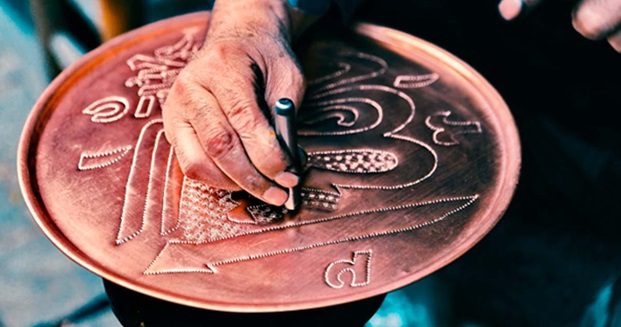
Thus, traditional Irish crafts not only provide a window into the past but also a bridge between generations. They help strengthen social bonds, often being passed down from grandparents to grandchildren, and through these practices, young people learn not only techniques but also the values and stories that define their community. If you want to give a gift with a cultural value, that reflects Irish traditions, visit https://www.shamrockgift.com/. Here you can discover the beauty and uniqueness of Irish gifts, thus providing unforgettable moments and memories. In this way, crafts become not only an art form but also a vital tool for preserving cultural heritage, while promoting unity and collective identity.
Economic impact
Traditional crafts have a profound economic impact on communities, helping to increase local incomes by attracting tourists. Artisans who create traditional goods not only capitalize on their talent but also stimulate the local economy through direct sales and the promotion of cultural identity. Craft fairs and creative workshops serve as essential platforms for social interaction and economic development, generating jobs and supporting small businesses. Thus, crafts become an engine of economic revitalization, having a crucial role in the prosperity of villages.
Social cohesion
Practicing traditional crafts plays an essential role in strengthening social cohesion in communities, providing spaces for interaction and collaboration. Craft workshops become meeting places where people from different backgrounds and generations come together to learn new techniques and share their knowledge. This interaction not only facilitates the transfer of skills but also strengthens human bonds, promoting a culture of collaboration and solidarity. By sharing experiences and traditions, communities become more united, creating a sense of belonging and mutual support essential for social development.
Education and transmission of knowledge
They are a valuable tool for education, giving young people opportunities to learn not only practical techniques but also the importance of handwork and creativity. Through training programs and interactive workshops, they gain essential knowledge about cultural traditions, learn to appreciate the history and values of their community. These experiences not only develop practical skills but also contribute to the formation of a strong cultural identity, encouraging young people to become ambassadors of their traditions in the face of the challenges of modernity.
Sustainability and environmental protection
Traditional crafts, by their nature, often rely on the use of local and sustainable resources, having a positive impact on the environment. For example, artisans who use natural fibers for weaving or wood from sustainably managed forests contribute not only to the protection of the environment but also to the preservation of biodiversity. These green practices not only support the local economy but also promote a more responsible lifestyle, encouraging communities to adopt nature-friendly production methods. Thus, traditional crafts become a model of sustainable development, proving that tradition and ecology can coexist harmoniously.