
What Do Boarding Schools Offer When deciding on the best educational path for your child, one of the most significant choices parents face is whether to send their child to a boarding school or a day school. Both options offer unique benefits and opportunities, but they differ in terms of the daily experience and the overall lifestyle they provide. Understanding what each type of school offers can help you make an informed decision based on your child’s needs, personality, and your family’s circumstances.
Here’s a comparison of what boarding schools and day schools offer and how they differ in key areas such as academics, extracurricular activities, social life, and independence.
What Do Boarding Schools Offer In Comparison To Day Schools?
Academic Environment
Boarding Schools:
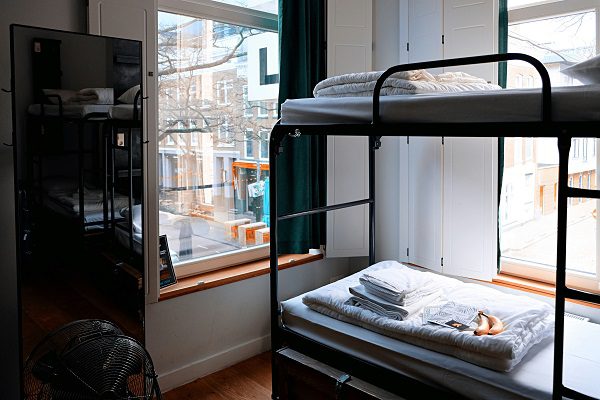
Boarding schools in Dublin often offer a more immersive academic experience. Since students live on campus, they typically have access to a wide range of facilities and resources, including libraries, science labs, and specialised learning centers, throughout the day and evening. The close-knit community also fosters a strong sense of academic discipline, as students are constantly surrounded by academic support and peers.
- Extended Learning Time: Boarding schools tend to have longer school days, often including evening study sessions, which can help students stay focused and keep up with their work.
- Smaller Class Sizes: Many boarding schools emphasise small class sizes, which allows for more individualised attention from teachers and a more personal approach to learning.
Day Schools:
Day schools offer strong academic programs as well, but students typically have less access to after-hours support and facilities. The academic experience is often confined to the school day, which may not be as extensive as that of a boarding school.
- Flexibility in Routine: Day schools allow for a more balanced day with time after school for extracurricular activities or family engagement.
- Varied School Calendars: Day schools usually follow a traditional school day with breaks at home, providing the flexibility for students to pursue learning opportunities outside of school hours.
Social Life and Community
Boarding Schools:
One of the most distinguishing features of boarding schools is the immersive community experience. Since students live on campus, they develop deep, long-lasting friendships and are part of a tight-knit community. Boarding school students are surrounded by peers 24/7, which can foster a strong sense of belonging and camaraderie.
- Diverse Social Interactions: Boarding schools often attract students from across the country or even internationally, offering a more diverse social environment that can expand students’ perspectives and cultural understanding.
- 24/7 Socialisation: While schoolwork is important, students in boarding schools also form bonds during free time, meals, and weekend activities, providing a rich and varied social life.
Day Schools:
In day schools, students typically return home at the end of the school day, which can make the social experience more limited to school hours. While students still form friendships, they may not experience the same level of constant interaction with peers.
- Family Time: Day school students often have more time at home, allowing them to spend evenings and weekends with their families, which can be important for younger children or those who need additional family support.
- Local Friendships: Since most day schools serve a local community, students often have the opportunity to maintain friendships with peers who live nearby, which can make socialising easier outside of school hours.
Extracurricular Activities
Boarding Schools:
Boarding schools tend to offer an extensive range of extracurricular activities due to the fact that students live on-site and have more flexibility with their time. These schools typically have an array of options for sports, music, drama, leadership programs, and other clubs.
- Access to Activities After School: Students in boarding schools often participate in evening or weekend activities, which can help them develop new skills and interests.
- Specialised Programs: Many boarding schools offer specialised programs in areas like art, theater, or sports, where students can receive concentrated instruction and gain extensive experience.
Day Schools:
Day schools also provide extracurricular activities, but the time constraints of the school day and the need to balance schoolwork with family life may limit the opportunities available.
- After-School Programs: While many day schools offer after-school clubs and sports teams, the options may not be as varied or as extensive as those found at boarding schools.
- Community-Based Opportunities: Since day school students live at home, they often have the flexibility to participate in extracurricular activities outside of school, such as sports leagues, music lessons, or community volunteering.
Independence and Responsibility
Boarding Schools:
Boarding schools are excellent at fostering independence and personal responsibility. Living away from home encourages students to manage their daily routines, including studying, eating, and socialising, all without direct parental oversight.
- Life Skills Development: Boarding school students develop valuable life skills such as time management, self-discipline, and decision making, all of which contribute to their overall growth.
- Supportive Environment: Despite the independence, boarding schools provide a structured environment with support systems in place, including house parents, counselors, and teachers who help guide students through this transition.
Day Schools:
Day schools typically offer a more traditional approach to education, with students living at home and maintaining a closer connection to family life. While students still develop independence, the level of responsibility expected is generally lower than that in boarding schools.
- Parental Involvement: Day school students benefit from the ability to have more daily interaction with their parents, providing a safety net for emotional support and guidance.
- Balance of Freedom and Structure: Students can still enjoy a balanced lifestyle with more flexibility in how they manage their time, but they may not develop the same level of independence as their peers in boarding schools.
Cost and Accessibility
Boarding Schools:
While boarding schools offer a comprehensive, immersive experience, they tend to be more expensive due to the cost of accommodation, meals, and other on-campus services. Financial aid and scholarships are often available, but the overall cost can be prohibitive for some families.
- Year-Round Experience: Boarding schools provide students with year-round accommodation and structured activities, but this comes at a higher cost.
Day Schools:
Day schools are generally more affordable compared to boarding schools since students return home each day, and there are no boarding-related fees. However, some day schools, especially private institutions, can still be expensive.
- Lower Costs: Day schools often offer a more cost-effective option, though private schools may still carry significant tuition fees.
Both boarding schools and day schools offer distinct advantages, and the best choice depends on the needs, personality, and goals of the student, as well as the priorities of the family. Boarding schools provide a unique, immersive environment that fosters independence, strong academic focus, and a close-knit community. In contrast, day schools offer more flexibility, proximity to family, and a less intensive lifestyle.

Ultimately, the decision between a boarding school and a day school should consider your child’s academic ambitions, social needs, extracurricular interests, and the level of independence they are ready to embrace. Whatever you choose, both options can provide a strong foundation for success in education and life.