
Understanding Meal Portions for Adults – Our food shops can play a bigger role in our health than you might expect. The decisions we make in the supermarket can determine how healthy our week looks when it comes to our diet. Serving up the right portions is also important.
Understanding Meal Portions for Adults
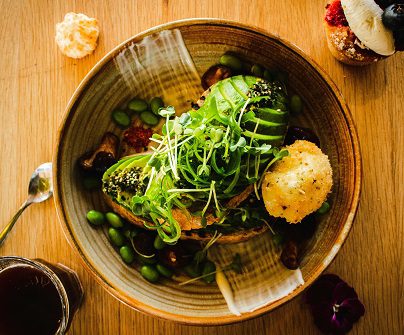
Educating yourself on the most nutritional options – and the best portions at meal times – means you can adopt a healthier lifestyle going forward. Here’s what you need to know.
Food portions: What is recommended?
Food portions are generally referred to as the food we eat in one sitting, however it can also refer to particular food types within our meals.
The government’s Eatwell Guide explains how we can achieve the right balance. This includes basing meals on starchy carbohydrates (e.g. potatoes or rice), eating protein-rich foods and consuming five portions of fruit and veg a day.
Getting the right nutrients
Getting enough nutrients in our meals plays a big role in our overall health. Part of this involves getting enough protein, with most adults needing around 0.75g of protein per kilo of body weight each day.
Protein helps us feel fuller for longer as it takes longer for our bodies to break it down. This makes us less likely to snack. While meat is a go-to for protein, too much of it can increase our risk of heart disease and diabetes. For this reason, it’s important to balance our protein sources with pulses, quinoa, nuts and more.
A study by the reputable bingo site tombola revealed which everyday food options are high in protein. Coming out top on the list was Mature Cheddar Cheese, which contains 56% of the recommended daily protein intake (per 100g), as well as Asda Peanut Butter, with 55% of our daily recommended intake.

Hidden salt and sugar
While getting enough protein is important, it’s just as important to be mindful of any hidden salt and sugar. As we walk down the aisles in the supermarket, the reality is that it’s easy to underestimate these levels in certain foods. Misleading marketing and a lack of knowledge about nutrition can lead us astray without even realising.
Some of the foods from the study with the highest sugar content include Reduced Sugar Tomato Ketchup (67%) and Digestive Biscuits (55%) and Smooth Orange Juice (32%). Meanwhile, products with high levels of salt include Mature Cheddar Cheese (30%), Wafer Thin Ham (26%) and Salted Butter (26%). If you’re unsure, take a look at the nutritional information on the back of the package to get an idea of how much salt or sugar you could be consuming. As with anything diet-related, moderation is key.